E
Elena
Oct 9, 2026
I had a deep sleep line on my left cheek that never fully went away by midday. Switched to back sleeping and after a few months it's genuinely faded. Wish I'd started at 20.
0
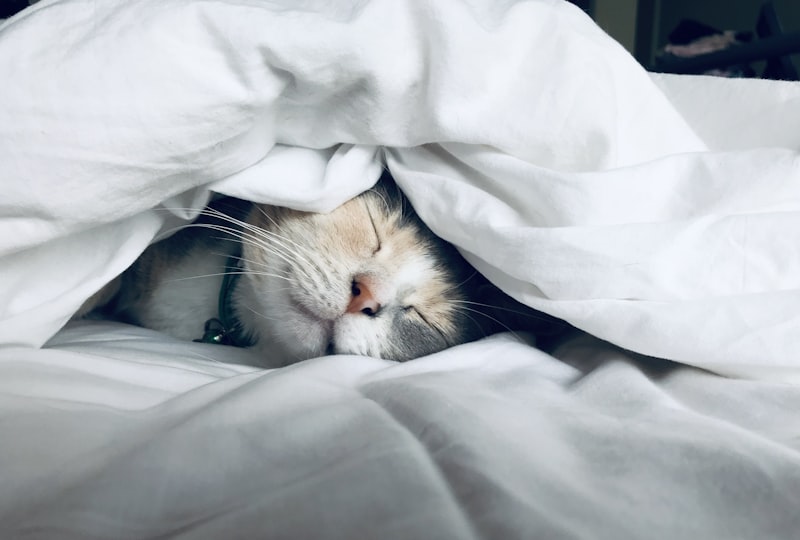
Stop pressing your face into the pillow
Sleeping on your back rather than your side or stomach eliminates the nightly compression that folds facial skin against the pillow for 7–8 hours. Over years, side and stomach sleeping etch 'sleep lines' — vertical creases on the cheeks and forehead that gradually become permanent wrinkles, and can contribute to facial asymmetry as one side is repeatedly flattened. Back sleeping also reduces morning fluid pooling and puffiness around the eyes, since the head stays elevated and lymph drains more evenly. The transition is difficult for lifelong side-sleepers: a supportive pillow under the knees, a thinner head pillow, and even pillows walled on either side of the torso help train the position. Consistency over months is what delivers the benefit — an essentially free intervention that protects the skin you already have.
2 verified voices, averaging 4.0 of 5.
I had a deep sleep line on my left cheek that never fully went away by midday. Switched to back sleeping and after a few months it's genuinely faded. Wish I'd started at 20.
The benefit is real but retraining yourself is brutal. I still wake up on my side half the time. Knee pillow helped more than anything.